News


Underground Rainwater Collection System: How It Works
11 Nov 2026Underground Rainwater Collection System: How It Works
An underground rainwater collection system buries the storage tank, cistern, or modular matrix that gathers a property's rain, then serves it back on demand. The configuration on a typical residential job reads like a parts list. Roof and gutters up top, a sediment filter, a buried reservoir in the 3,000-to-5,000-gallon class, a small pump, and an overflow line. Burying the tank is the whole point — the yard stays usable and the water stays cool. This page dissects the system, walks it step by step, and prices the residential version.
What Is an Underground Rainwater Collection System?
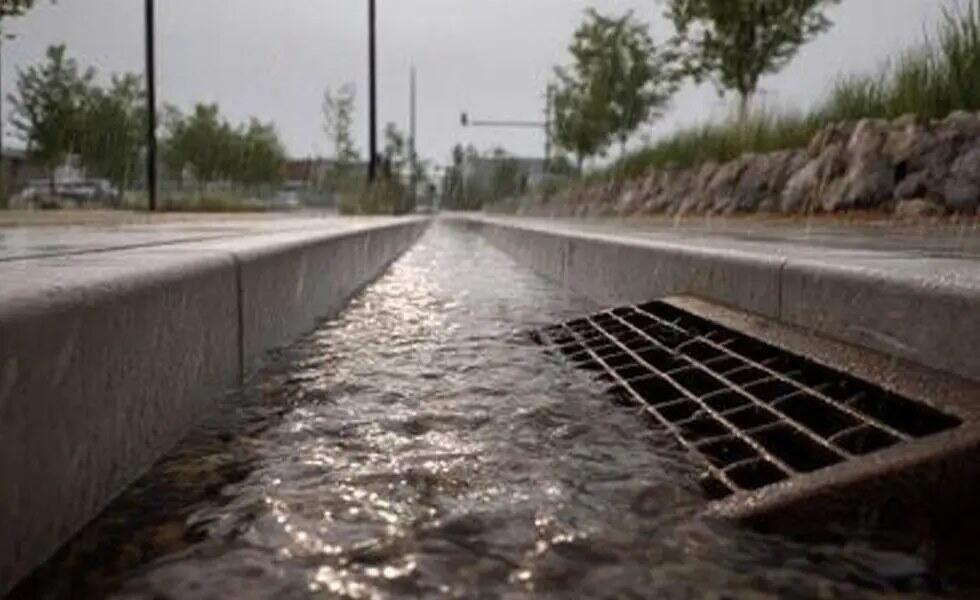
The name describes the duty: harvesting rain and holding it below grade. Buyers use a cluster of near-interchangeable phrases for the same hardware. Underground rain harvesting system, underground water harvesting system, buried rainwater collection tanks, collection cistern — every variant points to one anatomy. Capture happens at the roof, conveyance runs underground, storage stays sealed, and a pump provides the pressurized return.
One boundary matters. Ground water collection sometimes means capturing rain before it soaks away, but it also describes groundwater itself. This page stays on the first meaning — engineered capture of rainwater — and leaves aquifers to geology. A buried rainwater harvesting tank is a closed vessel; it neither draws from the water table nor recharges it unless designed to.
Storage comes in three forms. A one-piece cistern suits smaller volumes. A battery of tanks suits mid-range demand. And a geocellular matrix — modules wrapped in membrane — scales to thousands of gallons under a lawn or driveway.
How an Underground System Works, Step by Step
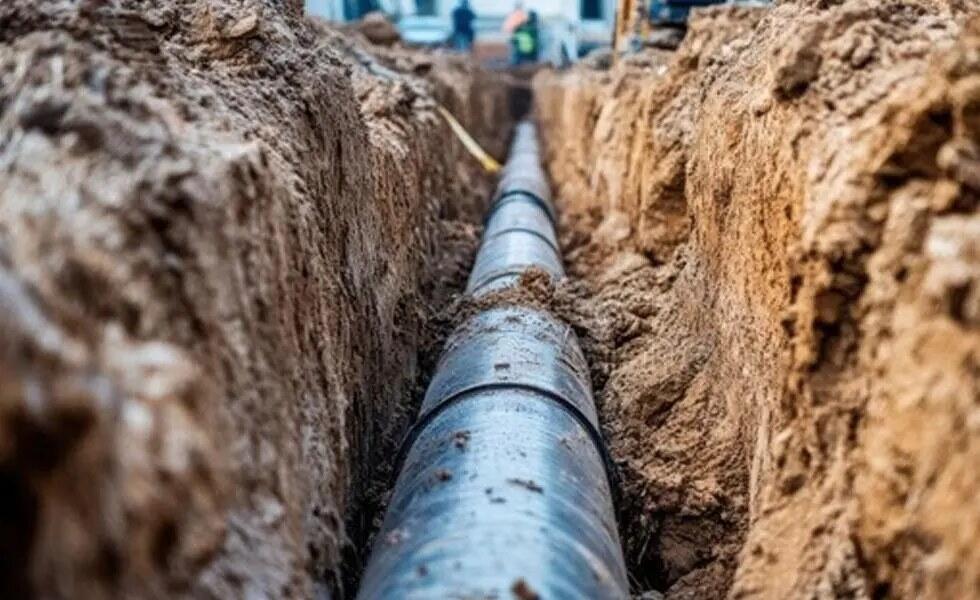
The sequence is identical from a bungalow to a light-commercial roof:
1. Capture. Rain lands on the roof and drains through gutters and downpipes. The roof area sets the supply ceiling.
2. Convey. Pipes carry the runoff toward the buried reservoir. Calm, sloped runs keep sediment moving instead of settling in the line.
3. Screen and settle. A leaf filter and first-flush diverter strip debris before storage. Cleaner inflow means cleaner storage.
4. Store. The cistern or matrix holds the water sealed — dark, cool, and insect-proof. Underground storage holds a stable 12–15 °C, which suppresses algae.
5. Deliver. A pump pressurizes garden lines or household non-potable plumbing. A control panel keeps pressure steady.
6. Overflow. What the tank cannot hold exits to a drain, a soakage point, or the storm network — designed, never accidental.
Steps 1 through 3 decide the water quality; steps 4 through 6 decide the usefulness. A system that skips pre-filtration buys itself a cleaning problem.
Residential Underground Rainwater Collection
Residential underground rainwater collection systems cluster in the 3,000–5,000 gallon class, with the matrix buried beneath lawn or drive. The residential layout is standard enough to budget: capture, filtration, storage, pump, overflow. For the household-side details — pump selection, pressure duty, and controls — our underground water tank for home guide carries the full pump discussion.
Do-it-yourself splits along the same line. Above-ground barrels are a genuine weekend project, and plenty of households start there. A DIY underground rainwater harvesting system is a different risk class: excavation, structural backfill, and plumbing cross-connection rules belong with professionals. California homeowners can harvest legally in every category — the state imposes no residential ban — and other states' rules live on our compliance guide's map.
Cost, Price, and What Shapes the Number
Published 2026 retail anchors frame the residential range: rain barrel setups run $300–$1,200 installed, cistern and tank systems $2,500–$15,000, and complete retail packages $8,160–$21,500. Buried engineered systems are quoted per project because three inputs dominate: storage volume, loading class, and ground conditions.
Two line items surprise buyers. The pump adds $80–$700, and filtration hardware adds roughly $300–$500 where the end use needs it. Against that, harvested water offsets mains supply at up to $4.60 per kiloliter, and documented cases reach roughly a ten-year payback. Whether you are pricing a bid, comparing systems for sale, or budgeting a retrofit, the sticker matters less than the volume and the loading class. Request a quotation built on those three inputs instead.
Where This System Fits

The collection system is the harvesting half of the buried-water family; the category overview lives on our underground water storage tank hub. The hardware itself — barrel, cistern, or matrix — starts at the rainwater harvesting tank product page, and the stormwater-duty sibling is covered under underground stormwater storage.
Send the roof area, demand profile, and location rainfall to YY Tank for an engineered layout within 24 hours.
Frequently Asked Questions
How long does cistern water last?
Stored properly, cistern water keeps for months. Longevity depends on darkness, coolness, and turnover — a sealed underground cistern at a stable 12–15 °C resists algae far better than a sunlit barrel. Water for drinking needs treatment and testing regardless of storage quality.
How to filter rainwater from a roof?
Filter in stages. A leaf screen at the gutter catches debris, a first-flush diverter discards the dirtiest first flow, and a cartridge filter polishes what enters use. Each stage removes a different size class of contaminant, which is why one fine filter alone cannot do the job.
How to collect rainwater and store it?
Collect from a clean roof through screened gutters, convey it through closed pipe, and store it in a sealed tank or buried matrix. The storage must exclude light and insects, and an overflow line must exist for every storm bigger than the tank. Draw the water back with a tap or a pump.
How much does it cost to install a rainwater collection system?
Published anchors: rain barrel setups run $300–$1,200 installed, cistern and tank systems $2,500–$15,000, and complete retail packages $8,160–$21,500. Buried engineered systems are quoted per project from storage volume, loading class, and ground conditions. Budget separately for the pump and any filtration hardware.
What are the different methods of rainwater harvesting?
The two core methods are rooftop harvesting and ground catchment harvesting. Rooftop collection captures clean runoff through gutters into storage; ground catchment collects surface flow from paved or sloped land with heavier filtration. Large sites combine both, zoning each surface into its own pre-treatment chain.