


Highlights of Improved Water-Saving Measures in the Regulations on Water Conservation, China’s First National-Level Legislation on Water Saving
21 Mar 2024The formulation and promulgation of the Regulations on Water Conservation aim to comprehensively and systematically regulate and promote water conservation activities. This is an objective requirement for building a water-saving society, ensuring national water security, advancing ecological civilization, and promoting high-quality development.
The Regulations systematically stipulate the responsible entities, core systems, key measures, support and supervision mechanisms, and legal liabilities for water conservation work.
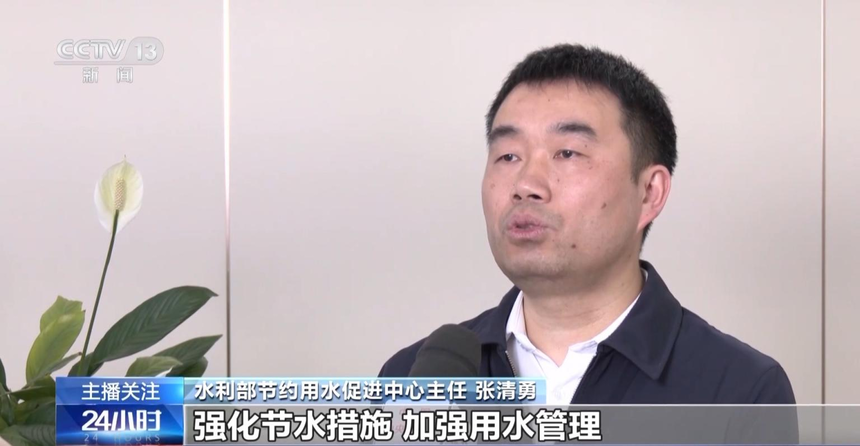
Zhang Qingyong, Director of the Water Conservation Promotion Center of the Ministry of Water Resources, stated:Going forward, we will fully devote ourselves to the publicity, implementation and supporting system development of the Regulations on Water Conservation. We will improve the incentive and restraint mechanisms for water conservation, strengthen water-saving measures and water use management, vigorously promote water conservation in agriculture, industry, urban areas and other sectors, and elevate the conservation and intensive utilization of water resources to a new level.
Experts noted that the Regulations on Water Conservation feature four major highlights.Adopting a problem-oriented approach, the Regulations target prominent problems and weak links in water conservation work, and set forth clear and specific provisions for all aspects and links of water use, water conservation and management.They stipulate that the state practices strict water conservation, upholds and implements the principle of giving priority to water conservation, thoroughly implements the national water conservation initiative, and comprehensively builds a water-saving society.This will effectively drive a fundamental shift in water use patterns from extensive and inefficient to conserved and intensive.
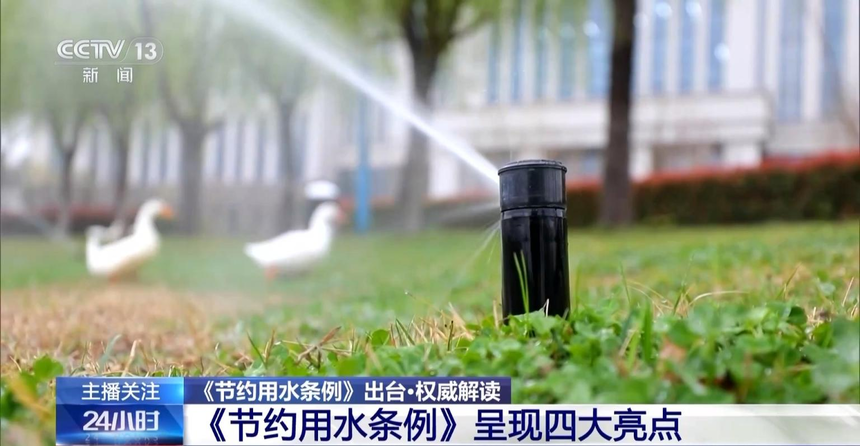
Meanwhile, the Regulations have improved the water conservation regime. It explicitly stipulates that water use shall be subject to total volume control, scientific allocation and efficient utilization, combining restraint and incentive, and a water conservation mechanism shall be established featuring government leadership, multi-stakeholder coordination, market regulation and public participation.
A series of water management systems have been further improved, including total volume control and quota management, planned water use management, metered pricing, water efficiency labeling management, and quality certification for water-saving products.
The Regulations also require local people’s governments to improve the targeted subsidy mechanism for agricultural water use and the water conservation reward mechanism.
The establishment and improvement of these systems will effectively regulate and guide water-saving behaviors across the whole society.
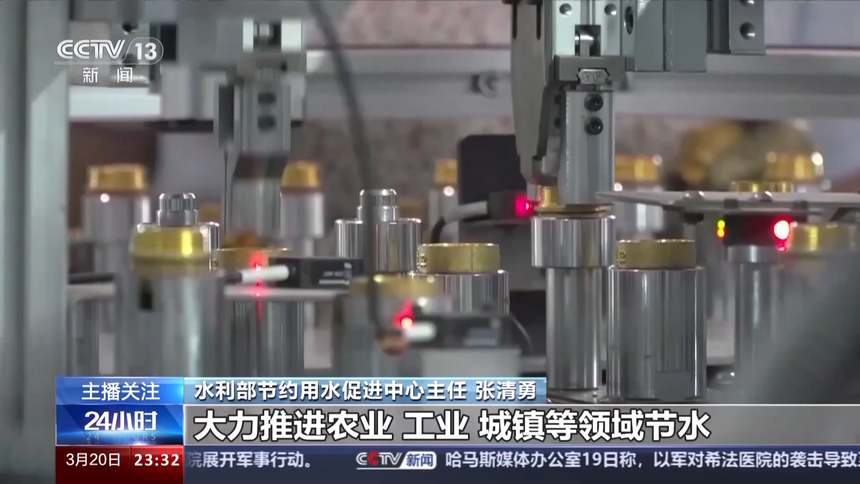
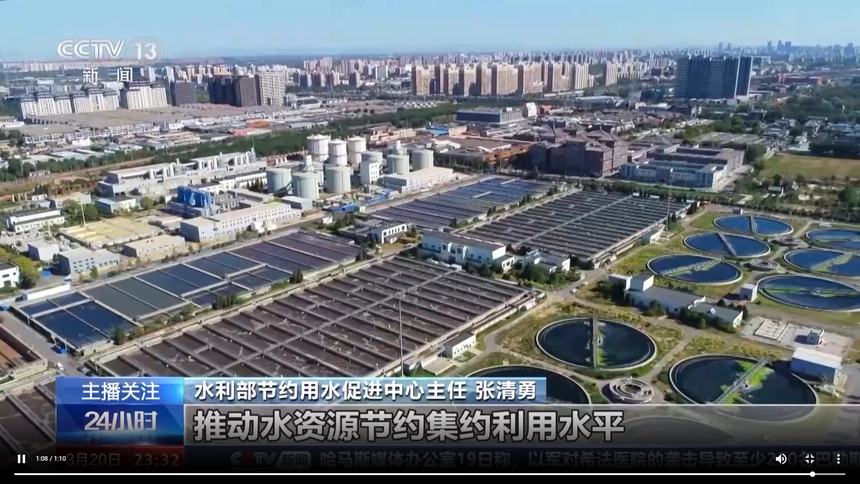
The Regulations further refine water-saving measures. Effective practices and experience have been institutionalized, and a series of targeted water-saving measures have been put forward to boost water efficiency in agriculture, reduce water consumption and discharge in industry, cut water loss in urban areas, and promote the utilization of unconventional water resources.
Chen Maoshan, Director of the Development Research Center of the Ministry of Water Resources, stated:We will strengthen supervision and implementation.
The Regulations make it clear that people’s governments at or above the county level shall strengthen organization and leadership over water conservation work, coordinate research and solutions to major issues in water conservation, and include the achievement of water conservation targets in the performance evaluation of local people’s governments and their leading personnel.
The Regulations also specify clear legal liabilities for illegal acts in water conservation, making the water conservation system “formidable and effective”.